Serving McKinney & Collin County, TX
McKinney Fire Cleanup Starts With Fast Action
Smoke, soot, and firefighting water keep causing damage after the trucks leave, so request a free estimate as soon as the structure is cleared.
Serving McKinney & Collin County, TX
Smoke, soot, and firefighting water keep causing damage after the trucks leave, so request a free estimate as soon as the structure is cleared.
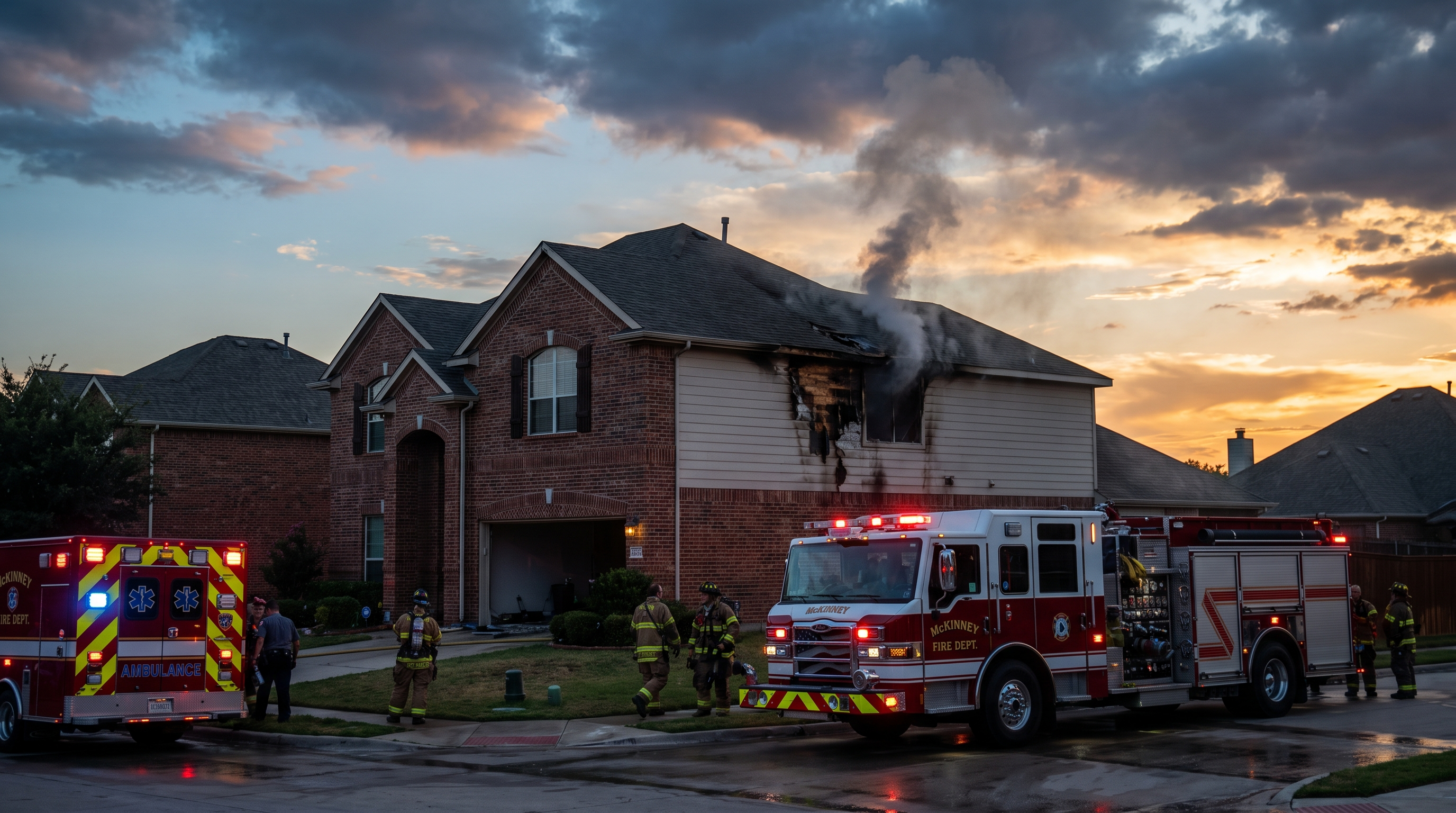
A house fire in McKinney can move from a contained incident to a whole-home restoration problem quickly. Smoke pushes through attic spaces, wall cavities, HVAC returns, and insulation before the visible flames are fully handled. Soot is acidic, so cabinets, drywall, trim, stone, metal fixtures, and electronics can keep deteriorating if cleanup waits.
McKinney has grown fast, with many neighborhoods built from the mid-1990s through 2020 on concrete slab foundations. That housing stock matters after a fire because firefighting water often collects along base plates, under floating floors, behind cabinets, and around bathroom or kitchen penetrations. Drying the slab edge and checking wall cavities early can prevent a second claim for mold or warped finishes.
North Texas fire risk changes with the season. Winter heating equipment fires spike when cold snaps hit homes that were not built for sustained freezing weather, while summer brings overloaded AC circuits, garage electrical failures, and grilling accidents. In McKinney, the restoration plan should account for both the fire source and the way smoke and water move through newer suburban construction.
McKinney Fire Damage Restoration connects property owners with licensed contractors who can stabilize the property, document the damage, coordinate with adjusters, and move into cleanup or rebuild without wasting the first critical days.
Fire restoration in Collin County is rarely just burned drywall. A typical claim can involve emergency board-up, roof tarping, soot cleaning, HVAC contamination, water extraction, contents pack-out, odor treatment, and a rebuild scope that needs to match what the carrier actually owes.
McKinney homeowners often deal with State Farm, Allstate, USAA, or Farmers after a fire. Texas Insurance Code Chapter 542 requires carriers to acknowledge a claim within 15 days, but that does not mean every hidden condition is captured in the first estimate. Having a restoration contractor ready before the adjuster visit helps document smoke in remote rooms, damp building materials from firefighting, and contents damage that can be missed in a rushed inspection.
The goal is simple: secure the structure, preserve the evidence, clean what can be saved, and build a scope that reflects the real condition of the home.
More about us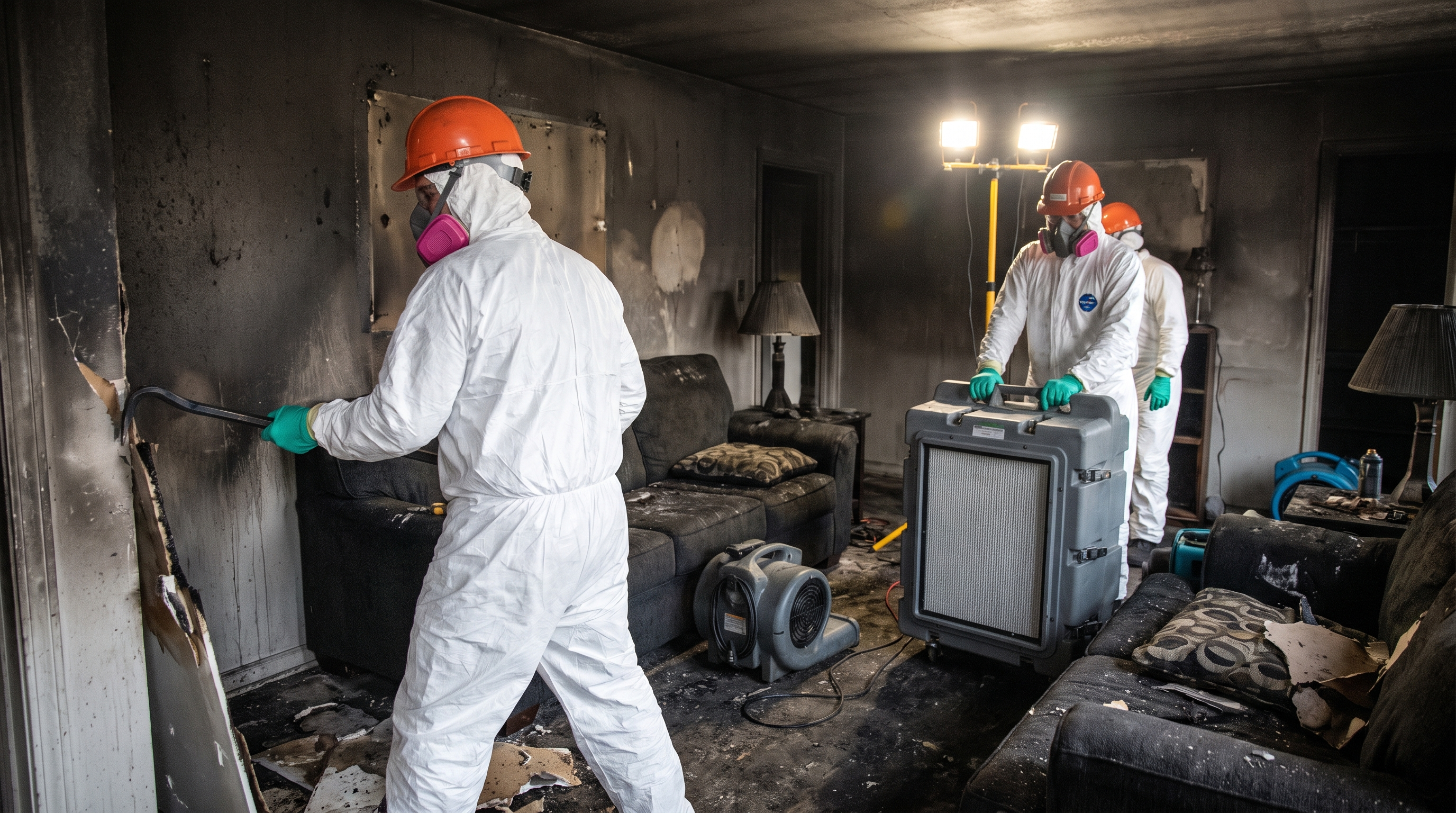
Fire damage in McKinney can touch the structure, air system, belongings, and insurance file at the same time. These services cover the major phases homeowners usually need after a residential fire.
A detailed inspection documents visible fire damage, hidden smoke spread, firefighting water, and the restoration scope before the claim moves forward.
Learn more →Specialized cleaning removes acidic soot, smoke residue, staining, and odor sources from surfaces, air pathways, and affected materials.
Learn more →Drying and water mitigation address the soaked materials left behind after firefighters extinguish the flames.
Learn more →Pack-out, inventory, cleaning, storage, and return services protect personal property after smoke, soot, water, or odor exposure.
Learn more →Smoke odor removal targets the residue, cavities, materials, and air pathways that keep a home smelling burned.
Learn more →Emergency board-up and tarping secure openings, protect the structure from weather, and help prevent avoidable damage after a fire.
Learn more →McKinney Fire Damage Restoration serves homeowners throughout McKinney and nearby Collin County communities, including Allen, Frisco, Plano, Prosper, and Fairview. The service area follows the growth corridor north of Dallas where newer wood-frame homes, attached garages, open kitchens, and slab foundations create similar restoration needs after a fire.
Whether the property is near historic downtown McKinney, a master-planned neighborhood in Frisco, an established Plano subdivision, or a larger Prosper home, the priorities stay the same: stop exposure, document the loss, remove smoke residue, dry firefighting water, protect contents, and coordinate the claim before secondary damage spreads.
See all service areas
Board-up, tarping, and temporary protection should not wait for the insurance adjuster. Emergency stabilization is commonly covered because it prevents vandalism, rain intrusion, and additional structural damage.
Fire claims in Collin County often fall in the tens of thousands of dollars, and the first carrier estimate can miss smoke, HVAC, contents, or water damage. Contractors connected through the service can document those conditions for the adjuster and submit supplements when needed.
Soot can permanently discolor finishes within days, especially on porous drywall, grout, unfinished wood, textiles, and plastics. Early cleaning and deodorization reduce the amount of material that has to be replaced.
Furniture, clothing, electronics, photos, and documents need inventory before anything is discarded. Pack-out, cleaning, storage, and personal property documentation are often handled separately from the structural repair scope.
Start as soon as the fire department clears the structure for entry. Smoke and soot can settle into drywall, HVAC systems, insulation, cabinets, and soft contents within hours, and firefighting water needs drying before mold or swelling begins.
Many Collin County residential fire claims fall between $45,000 and $130,000 depending on the fire source, how many rooms were affected, the amount of water used, and whether contents or rebuild work are involved. Your out-of-pocket cost depends on your deductible and policy language.
The typical process is emergency response, board-up or tarping, damage assessment, insurance adjuster coordination, restoration or rebuild, and final inspection. Contents inventory, pack-out, and odor treatment often run alongside the structural work.
No. Homeowners can choose their own restoration contractor. A contractor who works for your interests can review the carrier's Xactimate scope, point out hidden smoke or water damage, and request a supplement if the first estimate is incomplete.
Yes, but it has to be inspected beyond the burn area. Smoke can travel through HVAC returns, attic spaces, door gaps, and wall cavities, so a kitchen or garage fire may still require cleaning and odor treatment in rooms that never saw flames.
No obligation, request a fire damage estimate once the property is safe to access.
Free — no obligations